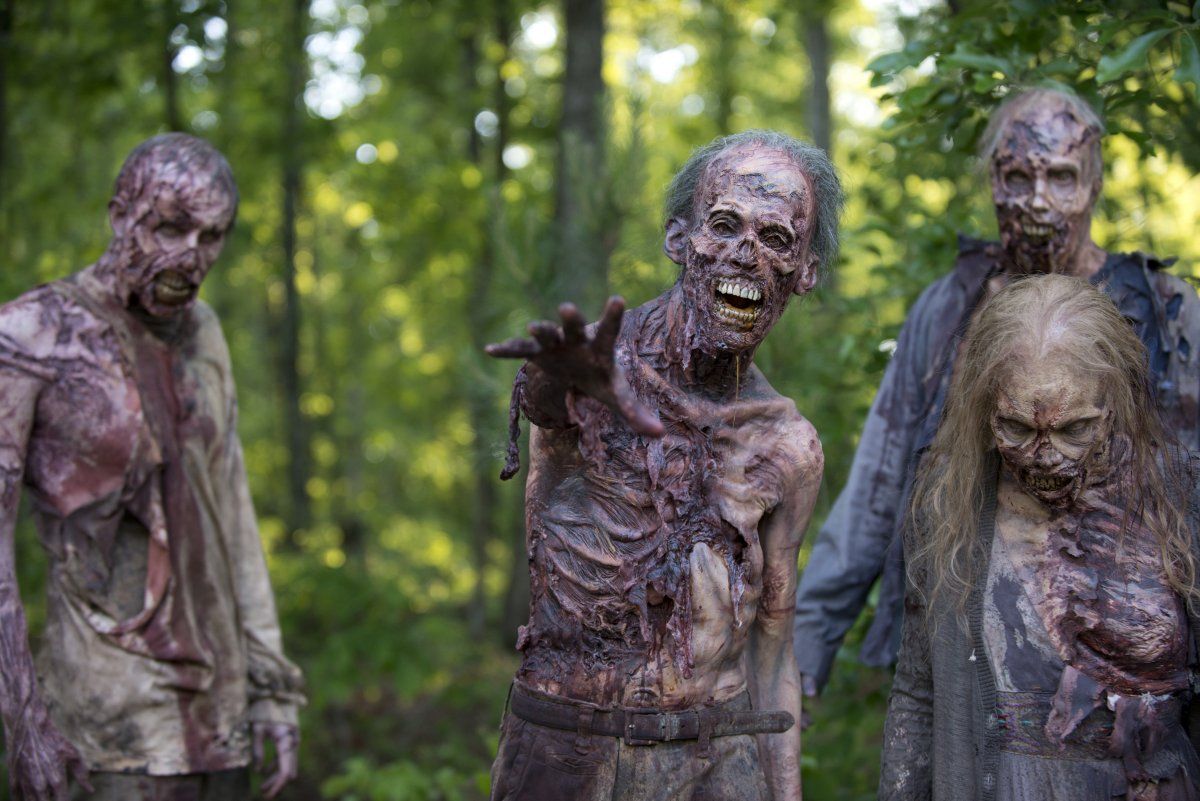
In the realm of horror, zombies have long captivated our imaginations with their insatiable appetite for human flesh and their eerie ability to shamble around in a state of apparent decay. However, one perplexing question continues to baffle scientists and enthusiasts alike: why don’t zombies decompose as quickly as a typical cadaver? In this article, we delve into the realm of scientific speculation, examining the possible explanations for the prolonged decomposition of these undead creatures.
Cellular Regeneration: One hypothetical theory is that zombies possess some form of cellular regeneration that slows down the decomposition process. While the human body undergoes rapid decay following death due to the absence of cellular repair mechanisms, zombies might possess residual cellular activity that delays the breakdown of their tissues. This cellular renewal, however diminished, could potentially explain why zombies maintain their physical form for extended periods.
Suppressed Microbial Activity: Microbes play a significant role in the decomposition of corpses. Bacteria and fungi rapidly consume organic matter, leading to the putrefaction of a cadaver. In the case of zombies, it is possible that their bodies exhibit an altered microbial environment that suppresses the activity of these decomposing agents. The exact mechanisms behind this phenomenon are unknown, but it could involve unique antibodies or antimicrobial properties that inhibit the growth and proliferation of decomposing microorganisms.
Metabolic Alterations: Zombies are often portrayed as reanimated corpses with a limited capacity for conscious thought and basic motor skills. However, some theories suggest that their metabolism might undergo fundamental changes, differentiating them from traditional cadavers. This altered metabolic state could result in a significantly reduced rate of decomposition. It is conceivable that zombies derive energy from unconventional sources, allowing them to sustain their bodies despite the absence of a functioning circulatory or digestive system.
Supernatural Preservation: Many fictional narratives involving zombies incorporate supernatural elements into their lore. In such instances, supernatural forces or curses might be responsible for the preservation of these undead creatures. Whether it be dark magic, ancient rituals, or other occult practices, these supernatural interventions could indefinitely delay the decomposition process, effectively defying the natural laws governing decomposition.
Environmental Factors: While the previous theories focus on intrinsic factors specific to zombies, it is crucial to consider external environmental elements. Zombies are often associated with apocalyptic scenarios, characterized by harsh conditions that differ from the environment in which a typical cadaver would decompose. Extreme temperatures, high humidity, or even the absence of scavengers due to the collapse of ecosystems could contribute to the preservation of zombies.
The prolonged decomposition of zombies continues to be a captivating mystery. While the scientific explanations proposed here remain purely speculative, they offer a glimpse into the creative theories that attempt to bridge the gap between science and fiction. Whether it is through cellular regeneration, microbial suppression, metabolic alterations, supernatural intervention, or environmental factors, understanding the mechanisms behind the slowed decomposition of zombies will undoubtedly fuel the imagination of enthusiasts and researchers alike. Ultimately, until the day science uncovers the truth, this question will continue to reside within the realm of captivating speculation and entertainment.
Categories: Zombie physiology


 Zombie Apocalypse Monthly